


Scalp Treatment Clinic: Professional Care for Common Scalp Problems
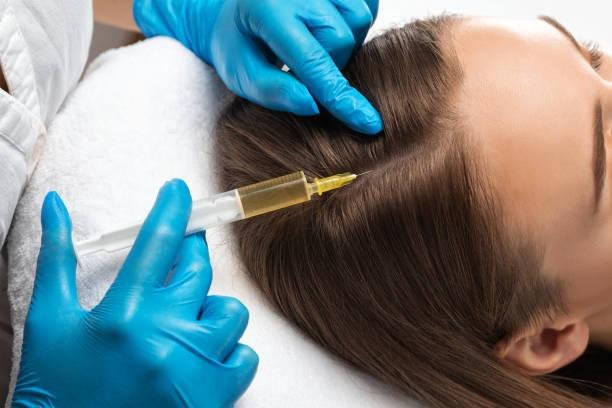
A healthy scalp creates a better environment for healthy hair growth. Many people focus on shampoos, oils, and hair products without paying enough attention to the scalp. Problems such as dandruff, excessive oil, dryness, itching, hair thinning, and scalp irritation can affect both comfort and hair health.
A scalp treatment clinic provides professional care for different scalp concerns. Specialists examine the scalp, identify possible causes, and recommend treatments based on individual needs. Professional scalp care can help improve scalp condition and support a healthier hair care routine.
What Is a Scalp Treatment Clinic?
A scalp treatment clinic focuses on the health of the scalp and hair. Professionals assess common scalp problems and create treatment plans based on the condition of the scalp.
A consultation usually starts with a detailed discussion about hair concerns, daily habits, previous treatments, and changes in hair growth. The specialist may examine the scalp closely to identify dryness, oil buildup, flakes, redness, or signs of irritation.
Scalp treatment does not follow one approach for every person. A person with an oily scalp may need different care from someone with a dry or sensitive scalp. Proper assessment helps the specialist choose suitable treatment options.
Common Scalp Problems
Scalp problems can develop for many reasons. Hair products, environmental factors, lifestyle habits, skin conditions, and genetics can all play a role.
Dandruff remains one of the most common scalp concerns. It can cause visible flakes and itching. An oily scalp can also lead to product buildup and discomfort.
Dry scalp can cause tightness, flaking, and irritation. Some people also experience scalp sensitivity after using certain hair products.
Hair thinning can have several causes. Changes in hormones, genetics, nutritional issues, stress, and certain medical conditions can affect hair growth. A scalp treatment clinic can assess the scalp and discuss suitable next steps.
What Happens During a Scalp Consultation?
A professional consultation helps identify the main concern before treatment begins. The specialist reviews the condition of the scalp and asks questions about the person's hair care routine.
The assessment may include a visual examination of the scalp. Some clinics also use specialized scalp analysis tools to examine areas that are difficult to see clearly.
The specialist may ask about hair washing habits, styling products, chemical treatments, medications, and family history of hair loss. These details can help provide a clearer picture of the problem.
A treatment plan should address the specific concern rather than simply treat visible symptoms.
Types of Scalp Treatments
Scalp treatments vary according to individual needs. Some treatments focus on cleansing and removing buildup. Others focus on hydration, soothing irritation, or supporting the scalp environment.
Professional scalp cleansing can help remove excess oil, dead skin cells, and product residue. Proper cleansing can leave the scalp feeling cleaner without relying on harsh products.
Hydrating scalp treatments can help people who experience dryness or tightness. These treatments use products selected for the person's scalp condition.
Some clinics also provide treatments designed to support people experiencing hair thinning. These services may focus on scalp care and hair growth support. A specialist can explain what each treatment can and cannot do.
Benefits of Professional Scalp Care
Professional scalp care can provide several benefits when the treatment matches the underlying concern.
A clean and well cared for scalp can feel more comfortable. Proper treatment can also help reduce problems caused by excess oil, buildup, dryness, or irritation.
Professional care also provides an opportunity to identify persistent scalp concerns. A person who keeps experiencing itching or unusual hair loss may need more than a change in shampoo.
Important benefits include:
-
Better scalp hygiene and removal of buildup
-
Personalized care based on scalp condition
-
Guidance about suitable hair care products
-
Early attention to persistent scalp and hair concerns
How Often Should You Get a Scalp Treatment?
Treatment frequency depends on the condition of the scalp and the type of service provided. Some people may benefit from occasional professional care, while others may need a structured treatment plan.
Daily scalp habits also matter. Frequent use of styling products, excessive heat, poor cleansing habits, or unsuitable products can affect the scalp between professional treatments.
A Skin Care Specialists can recommend an appropriate schedule after examining the scalp. Following the recommended home care routine can also help maintain results.
Scalp Treatment and Hair Growth
Scalp health and hair growth connect closely, but scalp treatment does not guarantee new hair growth in every case.
Hair loss can result from different causes. Genetics can play a major role. Hormonal changes, medical conditions, nutritional problems, and certain medications can also contribute.
A scalp treatment can improve the condition of the scalp, but people with persistent or significant hair loss should seek appropriate professional evaluation. Identifying the cause remains important before choosing a treatment.
Choosing a Scalp Treatment Clinic
Choosing the right clinic requires more than looking at treatment names. The quality of assessment, cleanliness, professional qualifications, and suitability of the treatment all matter.
People should ask how the clinic evaluates scalp problems before recommending treatment. They should also understand what a treatment involves, how often they may need it, and what aftercare they should follow.
A professional clinic should explain the treatment clearly. It should not promise guaranteed results or recommend unnecessary services.
Home Care After Scalp Treatment
Home care supports professional scalp treatment. People should follow the instructions provided by their specialist instead of adding several new products at once.
Gentle cleansing can help maintain scalp hygiene. Using products suited to the scalp type can also reduce irritation.
People should avoid scratching the scalp, especially when itching occurs. Scratching can damage the skin and make irritation worse.
Heat styling also deserves attention. Frequent high heat can affect the hair shaft and make existing hair damage more noticeable.
When Should You See a Scalp Specialist?
Persistent scalp symptoms deserve attention. Occasional flakes may respond to basic care, but ongoing problems can require professional assessment.
People should consider professional advice when they experience repeated itching, significant flaking, persistent redness, unexplained scalp discomfort, or noticeable changes in hair density.
Sudden or severe hair loss also deserves timely evaluation. A specialist can help determine whether the concern relates mainly to the scalp or requires further medical assessment.
FAQs About Scalp Treatment Clinics
1. What does a scalp treatment clinic do?
A scalp treatment clinic evaluates scalp health and provides professional treatments for concerns such as dryness, dandruff, oil buildup, irritation, and some forms of hair thinning.
2. Can scalp treatment stop hair loss?
Scalp treatment can support scalp health, but it cannot stop every type of hair loss. Hair loss has many possible causes, so proper assessment is important.
3. Is professional scalp treatment suitable for everyone?
Most people can receive some form of scalp care, but the appropriate treatment depends on scalp condition, sensitivity, and existing concerns. A professional consultation helps determine suitable options.
4. How often should I receive scalp treatment?
The recommended frequency depends on the treatment and scalp condition. A specialist can suggest a schedule after an assessment.
5. Can scalp treatment help with dandruff?
Some professional treatments can help manage dandruff by addressing oil, buildup, and scalp irritation. Persistent dandruff may require additional evaluation.
6. What should I do after scalp treatment?
Follow the clinic's aftercare instructions. Use suitable hair products, avoid excessive scratching, and maintain gentle scalp cleansing.
Conclusion
Healthy hair starts with proper scalp care. A professional scalp treatment clinic can help identify common scalp concerns and create a treatment plan based on individual needs. Regular care, suitable products, and professional guidance can help maintain a cleaner and more comfortable scalp.
For people seeking professional scalp and hair care services in the local area, London Aesthetics & Rejuvenation Center - Thokar Niaz Baig provides these services in Thokar Niaz Baig, Lahore and surrounding areas.

 Arabic
 French
 Spanish
 Portuguese
 Deutsch
 Turkish
 Dutch
Dutch
 Italiano
 Russian
 Romaian
 Portuguese (Brazil)
 Greek
Greek