


Positive Material Identification Market: Future Prospects for Non-Destructive Material Testing
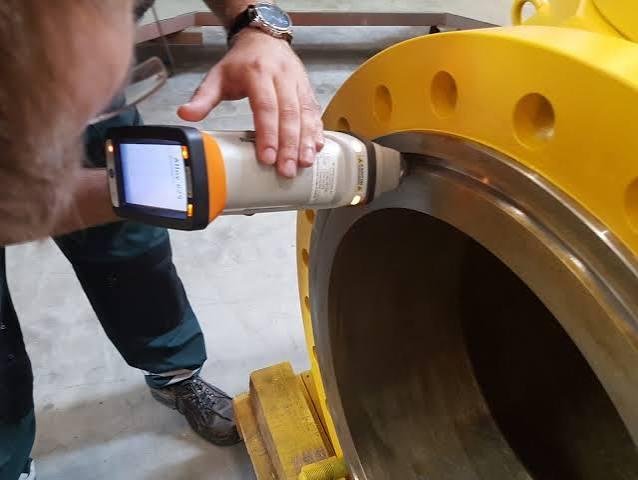
The rapid evolution of portable analytical instrumentation is fundamentally reshaping how industrial organizations approach quality assurance and regulatory compliance. Modern XRF and LIBS devices are now engineered with enhanced computing power, superior detector resolutions, and intuitive touch-screen interfaces that significantly reduce the learning curve for field operators. These technological breakthroughs enable technicians to distinguish between closely related alloy grades within seconds, minimizing operational bottlenecks during large-scale construction projects or routine plant turnarounds. Furthermore, manufacturers are incorporating wireless connectivity and cloud synchronization capabilities, allowing inspection data to be shared instantly between field teams and corporate engineering departments. To stay abreast of these transformative shifts, engineering leaders rely on comprehensive Positive Material Identification Market research reports that dissect technological adoption rates, vendor landscapes, and end-user preferences.
Looking forward, the ongoing push toward Industry 4.0 paradigms will further elevate the role of material verification within smart manufacturing ecosystems. Automated inspection cells equipped with robotic arms and integrated analytical sensors are beginning to appear in high-throughput fabrication plants, ensuring 100% inspection coverage without slowing down production lines. As sustainability initiatives prompt industries to utilize recycled scrap metals more extensively, the need to accurately sort and verify alloy compositions prior to re-melting becomes paramount, thereby reinforcing the circular economy. Equipment manufacturers are responding by developing more robust, energy-efficient, and versatile testing solutions tailored to the unique demands of green energy projects, hydrogen storage facilities, and advanced nuclear reactor designs. Through these continuous innovations, the sector remains a cornerstone of industrial safety, quality assurance, and mechanical reliability across the global economy.
 Spanish
 English
 Arabic
 French
 Portuguese
 Deutsch
 Turkish
 Dutch
 Italiano
 Russian
 Romaian
 Portuguese (Brazil)
 Greek