


Plantar Fasciitis Insoles: A Complete Guide to Finding Real Relief
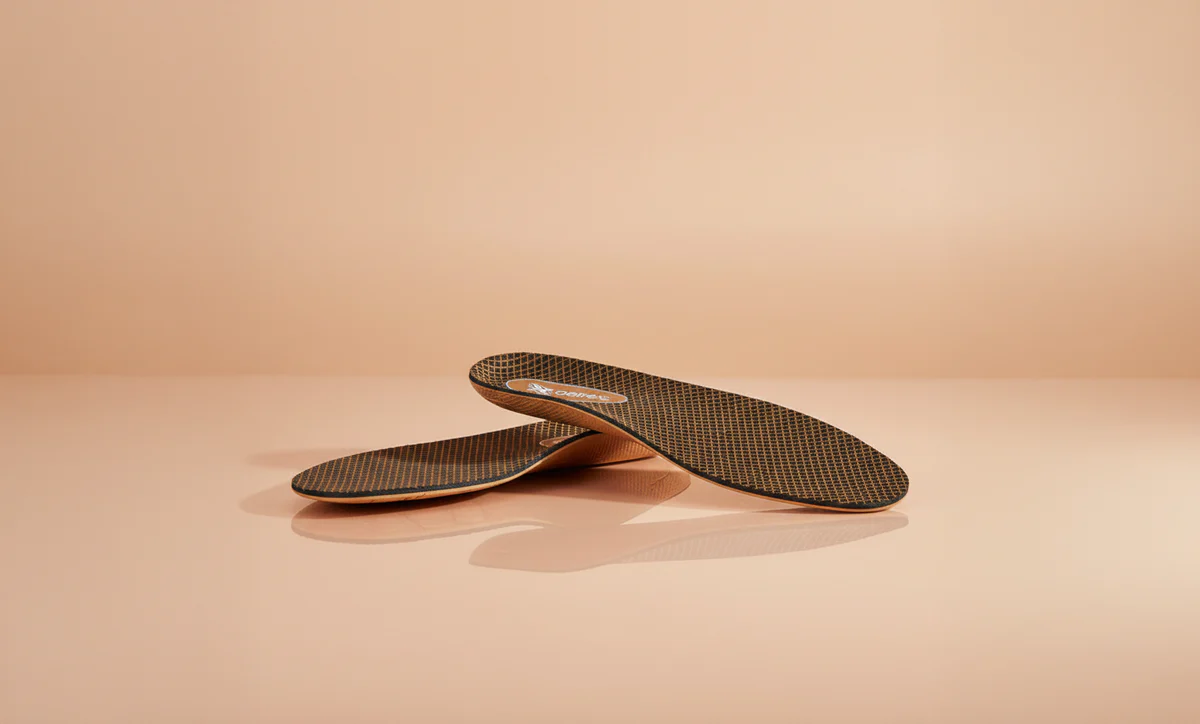
If you have ever taken your first morning step and felt a sharp, stabbing pain in your heel, you are not alone. Plantar fasciitis affects millions of people worldwide — and the right insole can be genuinely life-changing.
What Is Plantar Fasciitis?
Plantar fasciitis is inflammation of the plantar fascia — a thick band of tissue that runs along the bottom of your foot, connecting your heel bone to your toes. When this band becomes overstretched, strained, or inflamed, it causes one of the most debilitating and common foot conditions experienced by people of all ages and activity levels.
The pain is typically worst with the first steps in the morning or after prolonged periods of rest. It can range from a dull ache to a sharp, stabbing sensation in the heel or along the arch.
What Causes Plantar Fasciitis?
• Prolonged standing on hard surfaces (common in retail workers, teachers, healthcare workers)
• Sudden increases in physical activity or running distance
• Wearing unsupportive footwear with poor arch support
• Flat feet, high arches, or irregular walking gait
• Tight calf muscles or Achilles tendons
• Obesity, which places excess load on the plantar fascia
• Age — most common between 40 and 60 years old
How Do Insoles Help Plantar Fasciitis?
Orthotic insoles — whether custom-made or quality over-the-counter — address the root biomechanical causes of plantar fasciitis by:
• Redistributing pressure away from the inflamed heel and arch
• Providing targeted arch support to reduce plantar fascia strain
• Correcting pronation (inward rolling) that stresses the fascia
• Cushioning the heel to absorb impact during walking and standing
• Improving overall foot alignment to reduce compensatory strain elsewhere
Types of Plantar Fasciitis Insoles
1. Arch Support Insoles
These insoles feature a raised arch section that supports and offloads the plantar fascia directly. They come in low, medium, and high arch variants — choosing the wrong height can worsen symptoms, so understanding your foot type is crucial.
2. Heel Cup Insoles
Heel cups cradle the fatty pad at the base of the heel, preventing it from spreading under body weight and absorbing heel strike impact. They are particularly effective for heel spur pain, which often accompanies plantar fasciitis.
3. Full-Length Orthotic Insoles
These replace the existing insole and offer support along the entire foot — arch, heel, and forefoot. Full-length orthotics provide the most comprehensive correction and are ideal for all-day wear in closed shoes.
4. 3/4 Length Insoles
Covering heel to ball of foot, these are ideal for shoes with less space, such as dress shoes. They provide targeted arch and heel support without affecting the toe box.
5. Custom Orthotics
Prescribed and manufactured by a podiatrist after a detailed gait analysis, custom orthotics offer the highest level of personalised correction. They are more expensive but clinically proven to be effective for chronic or severe plantar fasciitis.
Key Features to Look For in a Plantar Fasciitis Insole
• Deep heel cup: At least 30–40mm depth for effective stabilisation.
• Medial arch support: Firm but not rigid — should support without feeling uncomfortable.
• Shock-absorbing material: EVA foam, polyurethane gel, or viscoelastic materials.
• Anti-pronation design: A slightly raised inner edge helps correct inward rolling.
• Breathable top cover: Moisture-wicking materials prevent blisters and odour.
• Correct sizing: Insoles should match your shoe size precisely for maximum effect.
Insoles vs Custom Orthotics: Which Do You Need?
For mild to moderate plantar fasciitis, high-quality over-the-counter insoles designed specifically for the condition can provide significant relief for the majority of sufferers. Studies suggest that quality OTC orthotics can be as effective as custom orthotics for most patients.
Custom orthotics are recommended when: symptoms are severe or chronic, multiple structural foot problems are present, three to six months of conservative treatment have not brought relief, or a podiatrist identifies specific biomechanical issues requiring personalised correction.
Tips for Getting the Most from Your Insoles
• Break them in gradually — start with two to three hours of wear on day one and increase daily.
• Replace insoles every six to twelve months, as cushioning and support degrade over time.
• Use them in all footwear you wear regularly, not just one pair.
• Combine with calf stretching and plantar fascia stretching exercises for best results.
• Avoid walking barefoot on hard floors, particularly first thing in the morning.
Medical Note: If pain is severe, persistent, or worsening, please consult a podiatrist, physiotherapist, or orthopaedic specialist. Insoles are a supportive measure, not a substitute for medical diagnosis and treatment.
Stretches That Complement Insole Use
Plantar Fascia Stretch
Before getting out of bed, pull your toes back gently toward your shin and hold for 30 seconds. Repeat three times each morning to reduce the severity of first-step pain.
Calf Stretch
Stand facing a wall, place one foot behind the other, and lean forward with the back knee straight. Hold 30 seconds. Tight calves directly increase plantar fascia strain.
Toe Towel Grab
Sit barefoot and use your toes to scrunch and pick up a small towel from the floor. This strengthens the intrinsic foot muscles that support the arch.
Frequently Asked Questions
Q: How long does it take for insoles to help plantar fasciitis?
A: Most people experience noticeable relief within two to four weeks of consistent insole use, combined with stretching. Full recovery from plantar fasciitis typically takes three to twelve months depending on severity.
Q: Can I use plantar fasciitis insoles in any shoe?
A: Most insoles fit into trainers, walking shoes, and boots easily. For dress shoes, opt for a slim 3/4 length orthotic that fits without crowding the toe box.
Q: Do I need different insoles for different activities?
A: Ideally, yes. A running-specific insole with additional shock absorption differs from a work or dress shoe insole. Having two or three pairs matched to your main footwear categories is ideal.
✔ Our Recommendation: Walter's Shoe Care stocks a carefully selected range of plantar fasciitis insoles — from everyday arch support to high-performance athletic orthotics — designed to deliver genuine relief without compromising on comfort. Each product is chosen for its clinical effectiveness and lasting durability. Visit Walter's Shoe Care to explore their foot health collection and take your first pain-free step.
 Romaian
 English
 Arabic
 French
 Spanish
 Portuguese
 Deutsch
 Turkish
 Dutch
Dutch
 Italiano
 Russian
 Portuguese (Brazil)
 Greek
Greek